Date: 13th November 2025
Time: 2:00 pm
Facilitators: Dr. Adenike Adeniyi-Aremo, Dr. Yemisi Adeoye, Mr. Ezekiel Aluko
Host: Bunmi Akinsola Sickle Cell Initiative (BASC Initiative)
Campaign Overview
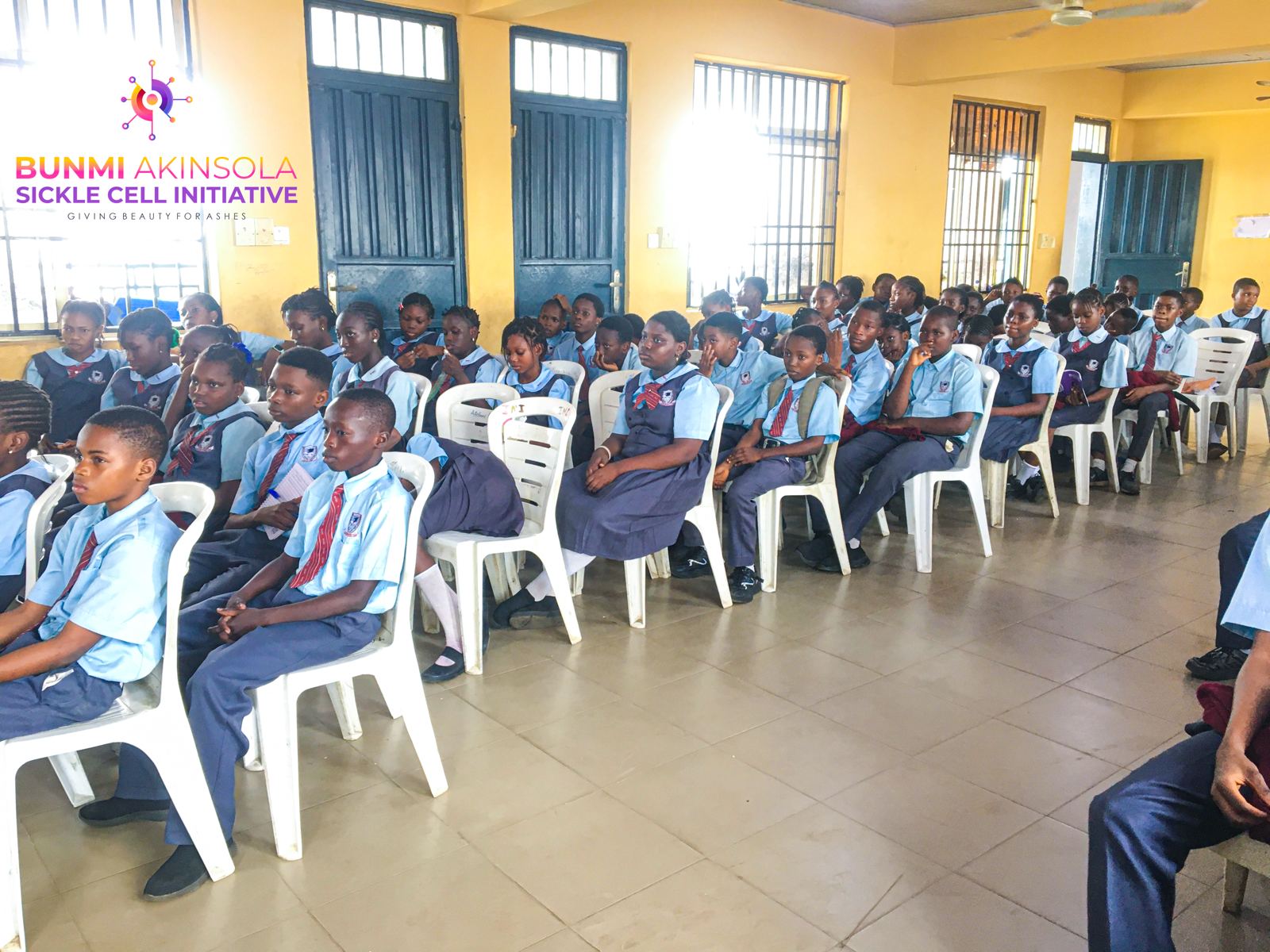
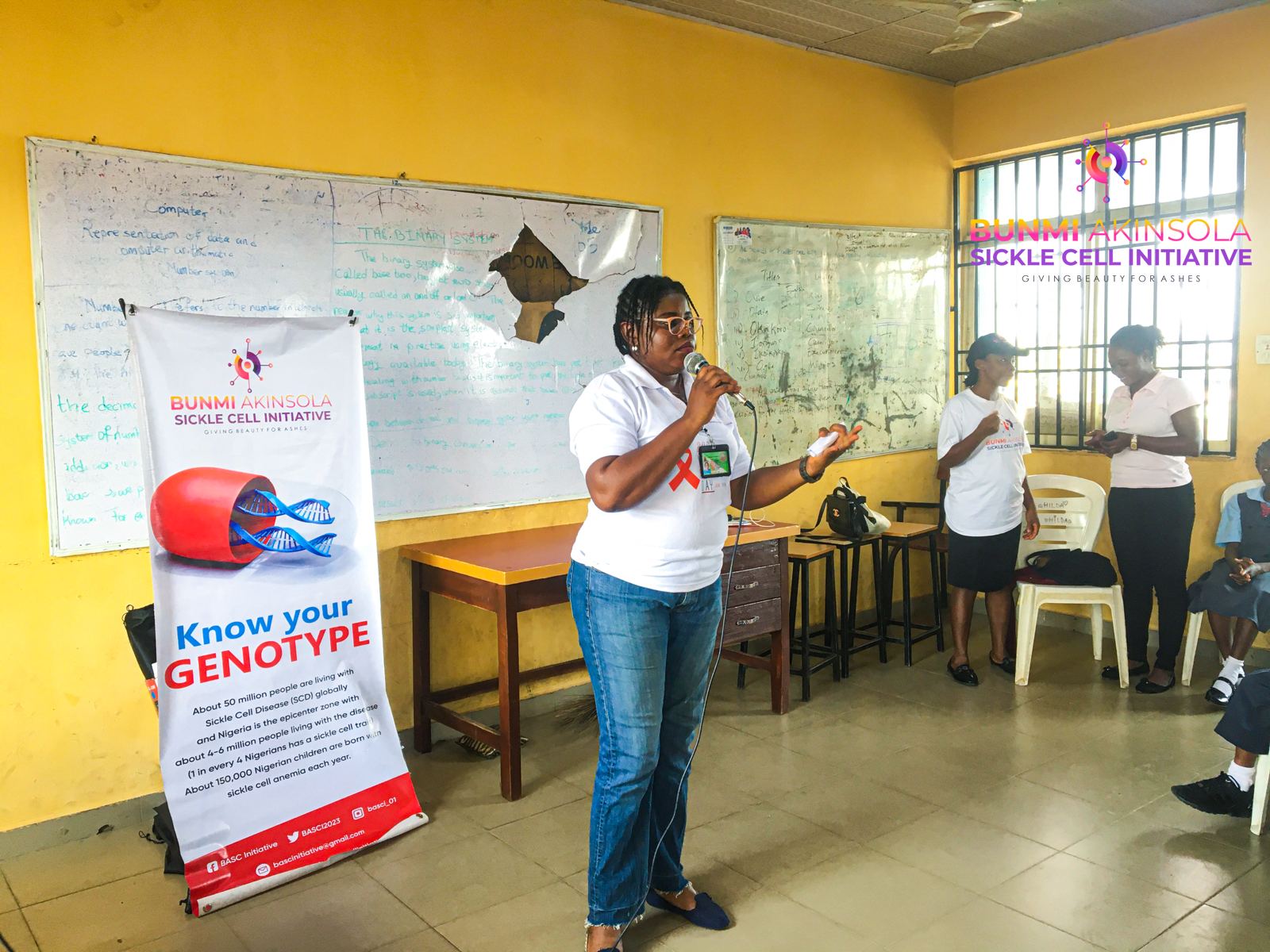
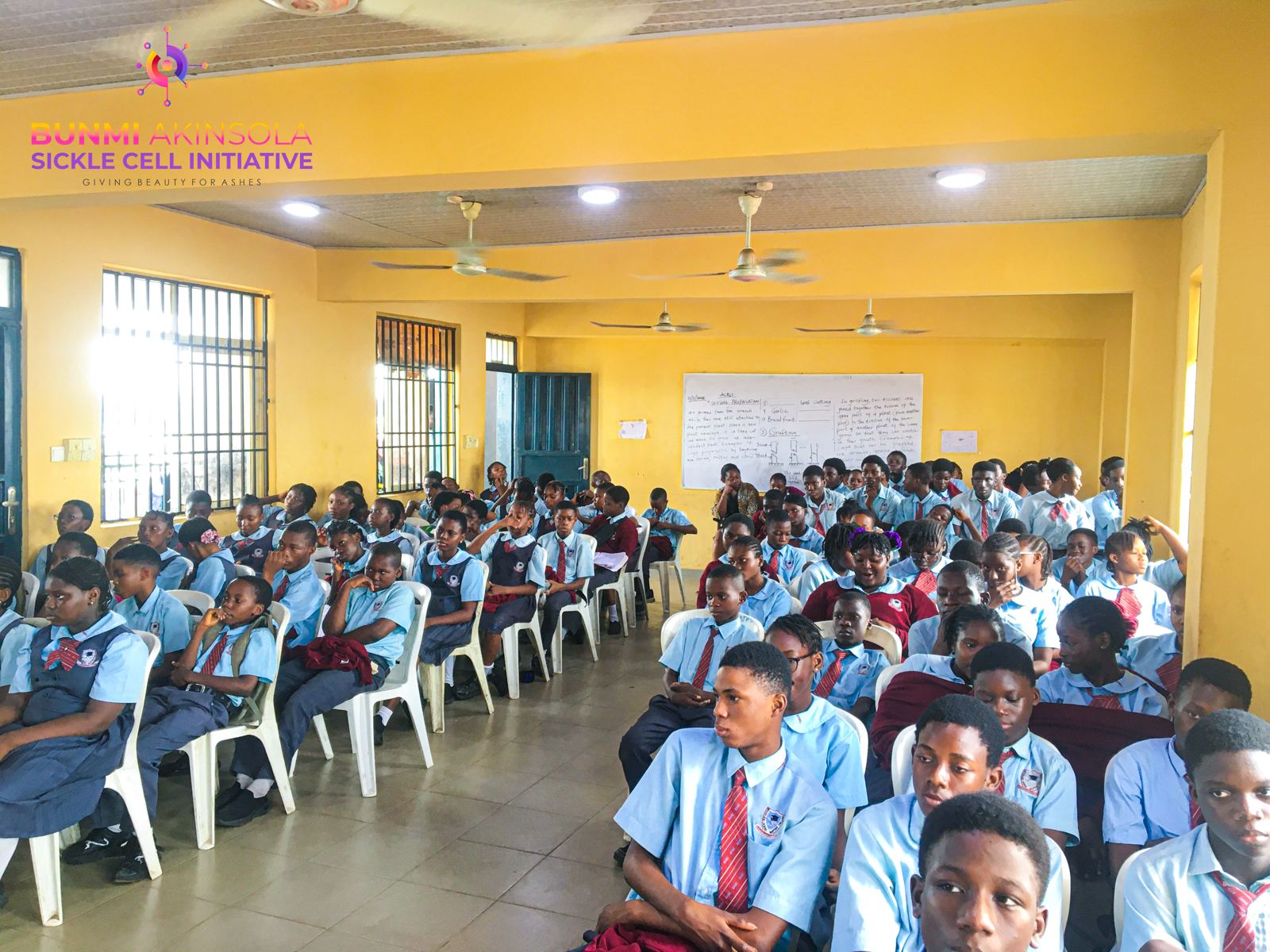
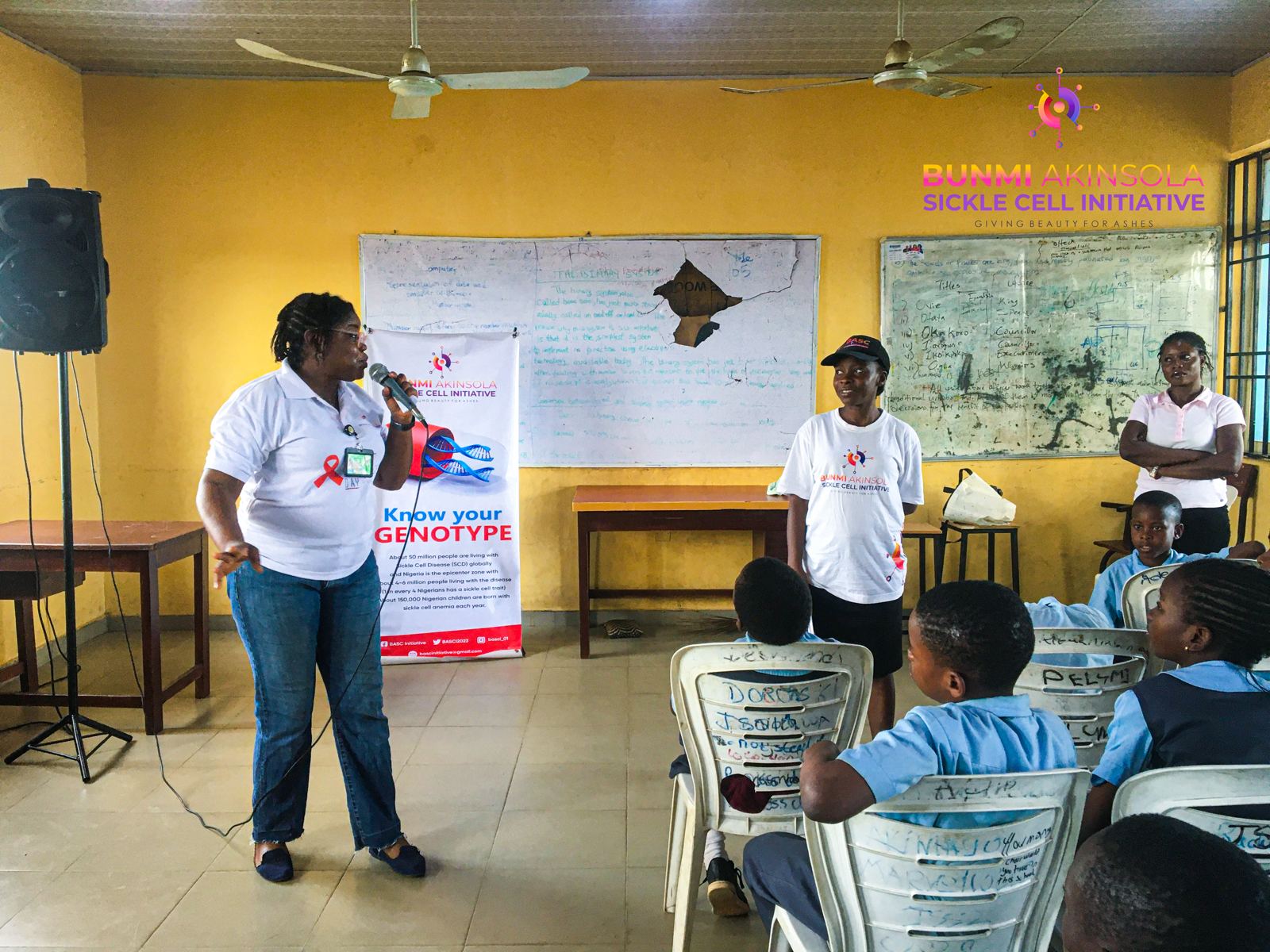
The Bunmi Akinsola Sickle Cell Initiative (BASC Initiative) conducted a Know Your Genotype (KYG) sensitization campaign at Baptist College, Bodija, on 13th November 2025. The programme aimed to educate students on genotype awareness, hemoglobin variants, sickle cell inheritance, and the need for informed decision-making regarding health and future relationships.
The session began with Dr. Adenike Adeniyi-Aremo, who welcomed the students warmly and introduced the theme of the campaign. She provided opening remarks that prepared the students for the detailed explanations that followed. She then invited Dr. Yemisi Adeoye to take the students deeper into the educational session.
Session Highlights
Understanding Red Blood Cells
Dr. Yemisi Adeoye began by explaining the basic role of red blood cells in carrying oxygen throughout the body. She used simple, relatable analogies to help the students understand the difference between: Normal red blood cells, round like an orange, flexible, and able to move freely; and sickled red blood cells, curved like a banana, stiff, and easily blocked within blood vessels. She explained that when blood flow is obstructed, sickle cell patients experience pain, tiredness, and difficulty breathing.
Hemoglobin Types and Genotype Formation
Dr. Yemisi introduced the major hemoglobin types A, S, C, and F and explained how each child inherits one gene from the mother and one from the father. She clarified that this combination forms genotypes such as AA, AS, AC, SC, and SS. She addressed a common misconception: that parents automatically produce children in a fixed pattern (one AA, two AS, one SS). She explained that each pregnancy has its own independent probability, and outcomes can vary widely.
She also highlighted common symptoms of sickle cell disease, including severe pain crises, yellowish eyes (jaundice), swollen hands or feet, fatigue, and weakness
She encouraged the students to show empathy and avoid stigmatizing individuals living with sickle cell.
The students were advised on the importance of testing at accredited health facilities due to the high rate of inaccurate results from unverified centres. Dr. Yemisi encouraged students to:
retest their genotype periodically, confirm results with their parents, and understand that new-borns naturally carry hemoglobin F, which may affect early detection.
Love, Marriage, and Genotype Compatibility
She emphasized that knowing one’s genotype early helps in making responsible relationship and marriage decisions. Students were reminded that genotype compatibility is an act of love and protection, preventing unnecessary suffering for future children.
Student Interaction and Participation
The session was interactive, with students answering questions on haemoglobin types, genotype combinations, red blood cell shapes, and symptom identification. Their responses showed clear engagement and understanding. Correct answers were acknowledged, helping strengthen participation and retention.
Impact and Feedback
The outreach had a strong impact on the students. The teachers expressed that the session clarified long-held misconceptions and increased their awareness of sickle cell inheritance patterns and also commended the facilitators for their clarity and depth, noting that the session provided practical knowledge that the students could carry into adulthood.
Conclusion
The KYG sensitization campaign at Baptist College, Bodija, was a highly successful and enriching outreach. The students left with a deeper understanding of genotype, inheritance, sickle cell management, and the importance of responsible choices.
The programme effectively advanced BASC Initiative’s mission of promoting awareness, education, and prevention of sickle cell disease among young people.
Population
The session recorded an attendance of approximately 150 students and teachers.
Photos