By 2030, it is estimated that over 400,000 babies will be born annually with sickle cell disease (SCD) worldwide, the majority in sub-Saharan Africa. This alarming projection underscores the urgent need for health education to combat the spread of this genetic disorder.
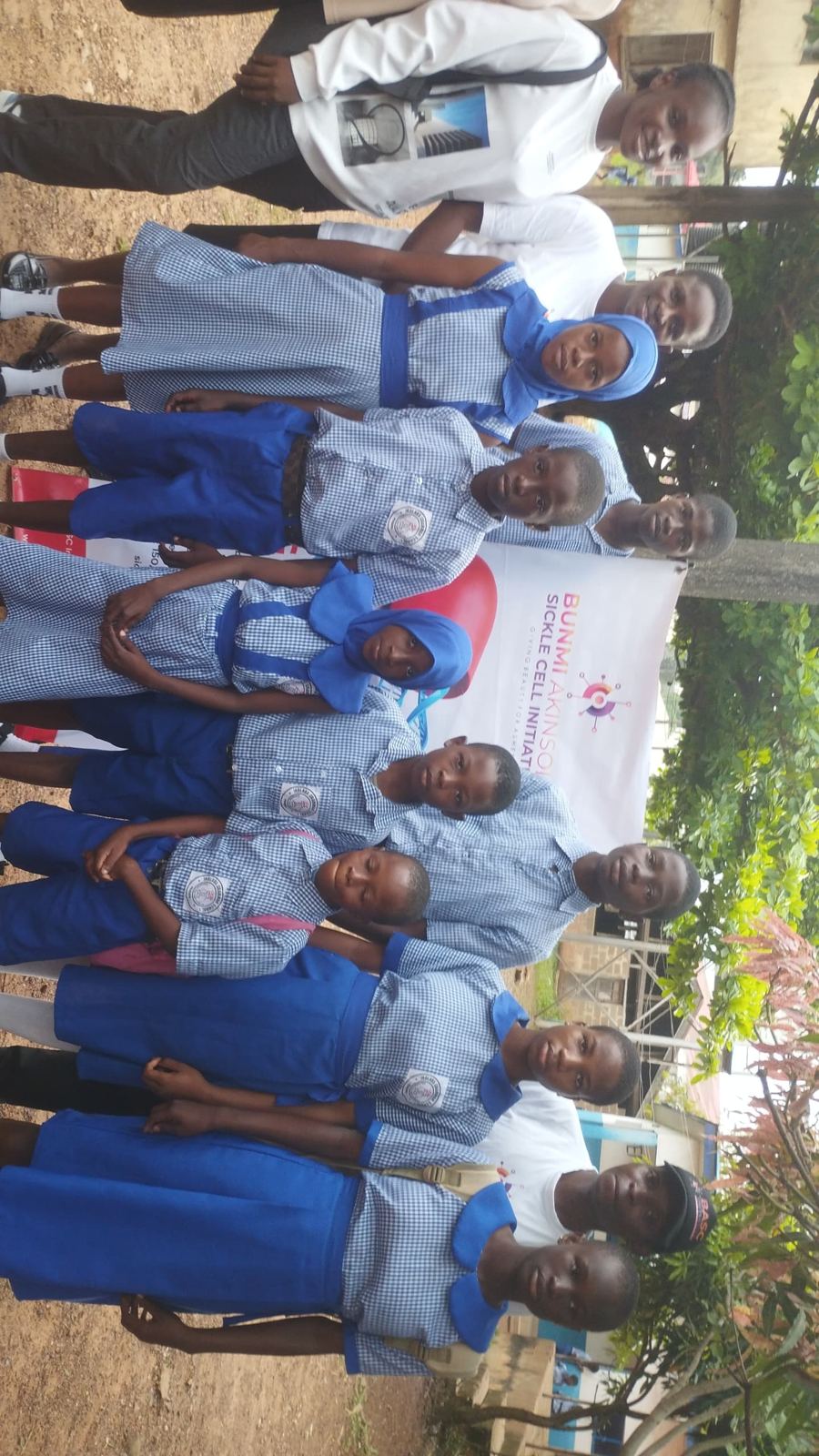
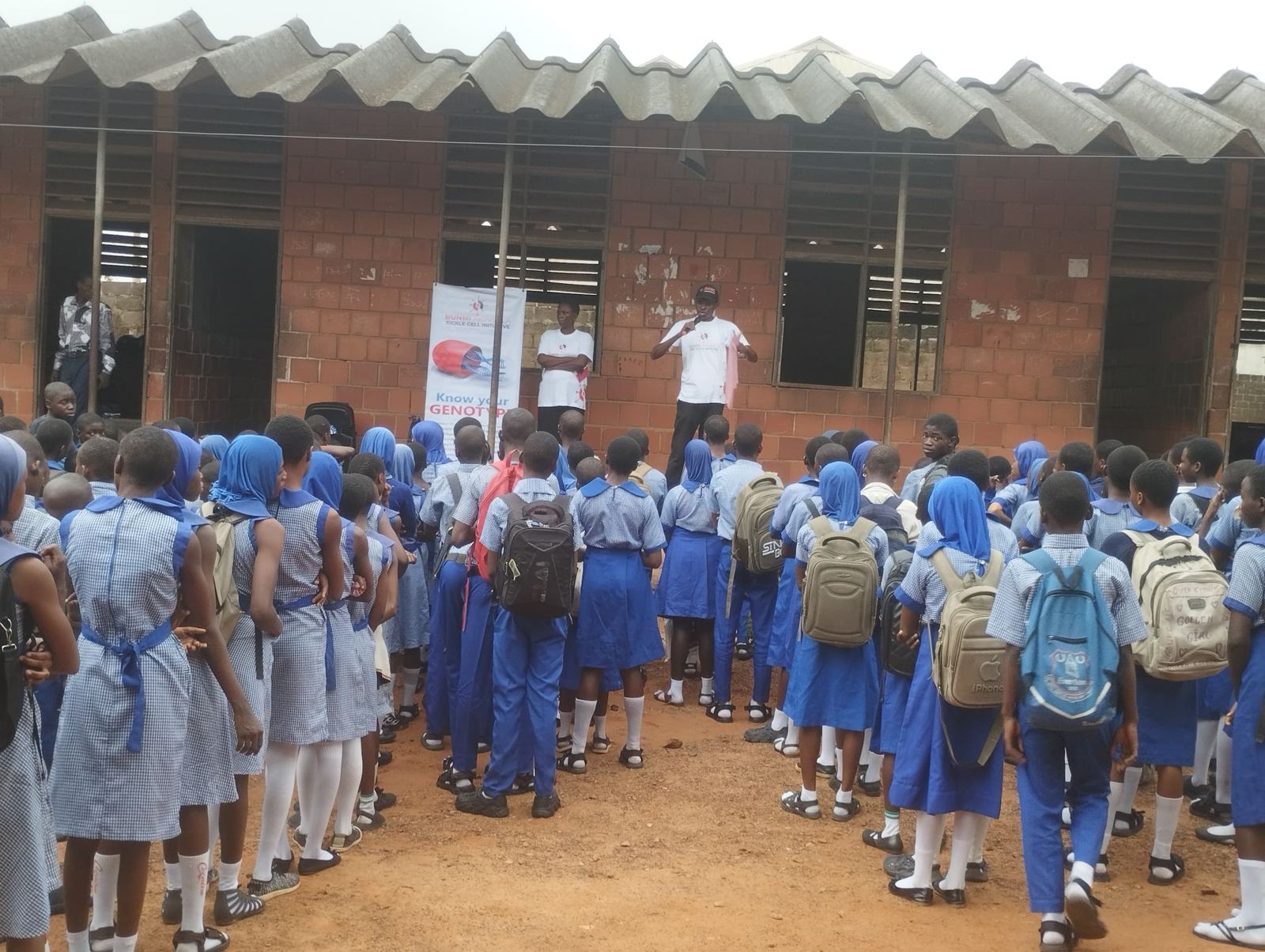
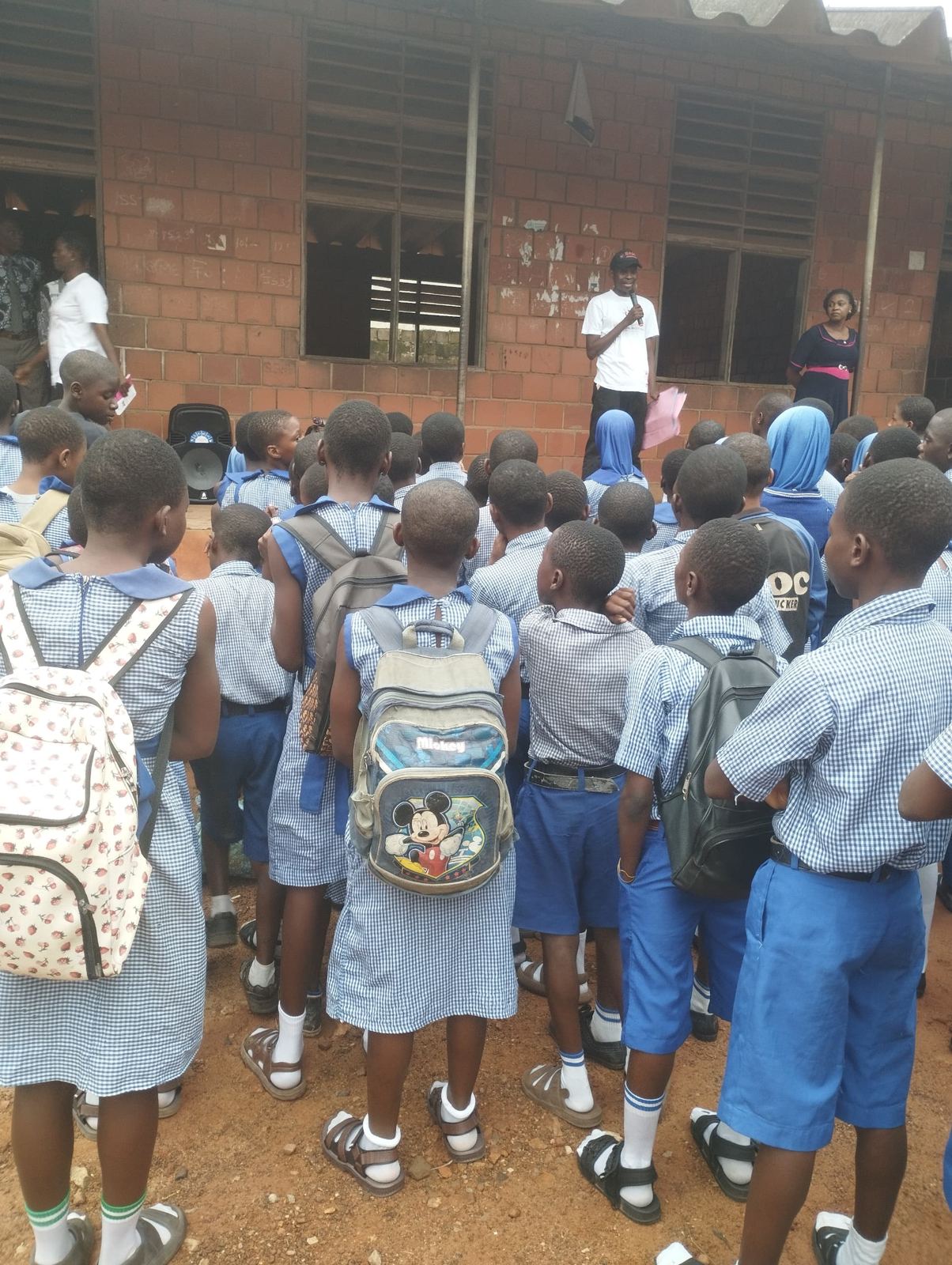
On October 17, 2024, the Bunmi Akinsola Sickle Cell Initiative took a bold step in this direction by organizing a sickle cell awareness outreach program at Ikolaba Grammar School I, Agodi GRA, Ibadan. The program epitomized the transformative power of early health education in shaping healthy, resilient lives.
Why Early Health Education Matters
Health education plays a crucial role in equipping young people with the knowledge and skills to make informed choices about their health. When initiated early, it fosters resilience, builds a foundation for academic and social success, and helps children form positive relationships. It also significantly reduces risky behaviors by encouraging preventive practices. For conditions like sickle cell disease—a genetic blood disorder that affects millions globally—early awareness can save lives. By educating young minds about the importance of genotype compatibility, genetic counseling, and medical support, we empower a generation to prevent the challenges posed by SCD.
The Outreach: Educating Young Minds
On the day of the outreach, the Initiative’s team—comprising Mr. John Oluwole Aremo, Mrs. Pelumi Adegbite, and Miss Opemipo Olubolade—was warmly received by the school principal, Mr. J. O. Ojediran, and vice principal, Mrs. O. O. Ogunnaike. A total of 985 students (500 males and 485 females) were present, their eager faces reflecting the significance of the event.
Mr. Aremo led the session with a compelling lecture that delved into critical topics:
1. What is Sickle Cell Disease (SCD)?
Mr. Aremo began by explaining that SCD is a hereditary blood disorder caused by the mutation of the hemoglobin gene. Hemoglobin, the oxygen-carrying molecule in the blood, forms abnormally in individuals with SCD, causing red blood cells to assume a crescent or “sickle” shape. This deformation leads to blockages in blood vessels, causing severe pain, organ damage, and complications such as stroke and infections.
2. How is SCD Inherited?
Using a clear and engaging schematic diagram, Mr. Aremo illustrated how genetic combinations influence a child’s genotype. He explained the outcomes of different pairings, such as AA, AS, SS, AC, and SC, emphasizing that a child inherits one hemoglobin gene from each parent. He differentiated between sickle cell disease patients (SS or SC genotypes) and carriers (AS or AC genotypes), highlighting the significance of genotype testing before marriage.
3. Symptoms and Complications of SCD
Symptoms such as fatigue, jaundice, severe pain episodes, and delayed growth were discussed. Mr. Aremo also shed light on complications like anemia, organ damage, and stroke, stressing the importance of early diagnosis and medical intervention.
4. Prevention and Management
Prevention strategies like genetic counseling, prenatal testing, and informed marital choices were emphasized. Furthermore, Mr. Aremo provided insights into managing SCD, including proper hydration, pain management, regular check-ups, and vaccinations. He also discussed the Initiative’s medical and psychological support programs for individuals living with SCD.
Engagement and Resource Distribution
The session was interactive and informative, allowing students to raise questions and voice concerns. Many were curious about how to access genotype testing and support services for individuals with SCD. The team distributed brochures and pamphlets containing detailed information about SCD, ensuring that students and teachers had resources for further learning.
Volunteer Dedication
The outreach program was a success, thanks to the unwavering commitment of the Initiative’s volunteers. Mr. Aremo, Mrs. Adegbite, and Miss Olubolade worked tirelessly to ensure the program’s objectives were met. Their passion and expertise resonated with both students and staff, leaving an indelible mark.
Acknowledgment from the School
The school principal, Mr. Ojediran expressed his gratitude for the Initiative’s effort. He acknowledged the importance of raising awareness about SCD and commended the team for its dedication to health education. “This program has opened our eyes to the significance of knowing our genotype and the steps we can take to prevent sickle cell disease. It’s a valuable lesson for everyone,” remarked Mr. Ojediran.
A Call to Action: Sustaining the Momentum
The success of the Ikolaba Grammar School outreach reflects the potential of early health education to create lasting change. However, this is just the beginning. The Bunmi Akinsola Sickle Cell Initiative is committed to replicating this success in schools and communities across Nigeria. By prioritizing awareness and early intervention, we can reduce the prevalence of SCD and improve the quality of life for those affected.
The Broader Implications of Genotype Awareness
Beyond individual well-being, genotype awareness has profound social and economic implications. In Nigeria, where one in four people is a sickle cell carrier, the burden on healthcare systems is immense. By preventing SCD through informed choices, families can avoid the emotional and financial strain associated with managing the disease. Moreover, a healthier population contributes to national development, highlighting the ripple effect of such educational initiatives.
Future Plans for Health Education
The Initiative aims to expand its reach through partnerships with schools, community organizations, and healthcare providers. Plans include organizing free genotype testing campaigns, training volunteers to conduct awareness programs, and developing digital resources for wider accessibility. Additionally, integrating health education into school curricula will ensure sustained impact, equipping future generations with essential knowledge.
Conclusion: A Healthier Future Begins Today
The Ikolaba Grammar School outreach program exemplifies the transformative power of early health education. By addressing SCD at its roots—through awareness, prevention, and support—the Bunmi Akinsola Sickle Cell Initiative is paving the way for a healthier, more informed society. As we look to the future, let us remember that knowledge is not just power; it is a tool for survival. Together, we can empower our children to live healthy, resilient lives, free from the preventable challenges of sickle cell disease.
“A healthy society begins with informed choices. Let us invest in health education today for a brighter, healthier tomorrow.”
Prepared by Olubolade Opemipo
Volunteer
Photos