Sickle cell disease (SCD) remains a global health challenge, claiming thousands of lives annually, with many deaths linked to complications arising from low hemoglobin levels. For individuals with SCD, low hemoglobin significantly increases the risk of severe health issues, including stroke, organ damage, and early mortality. Global estimates from 2021 revealed approximately 34,400 deaths directly caused by SCD. However, when indirect factors, such as complications from low hemoglobin, are considered, this figure rises dramatically, with an estimated 376,000 deaths annually. In sub-Saharan Africa, where access to healthcare is limited, children under five are particularly vulnerable, accounting for an estimated 81,100 child deaths each year.
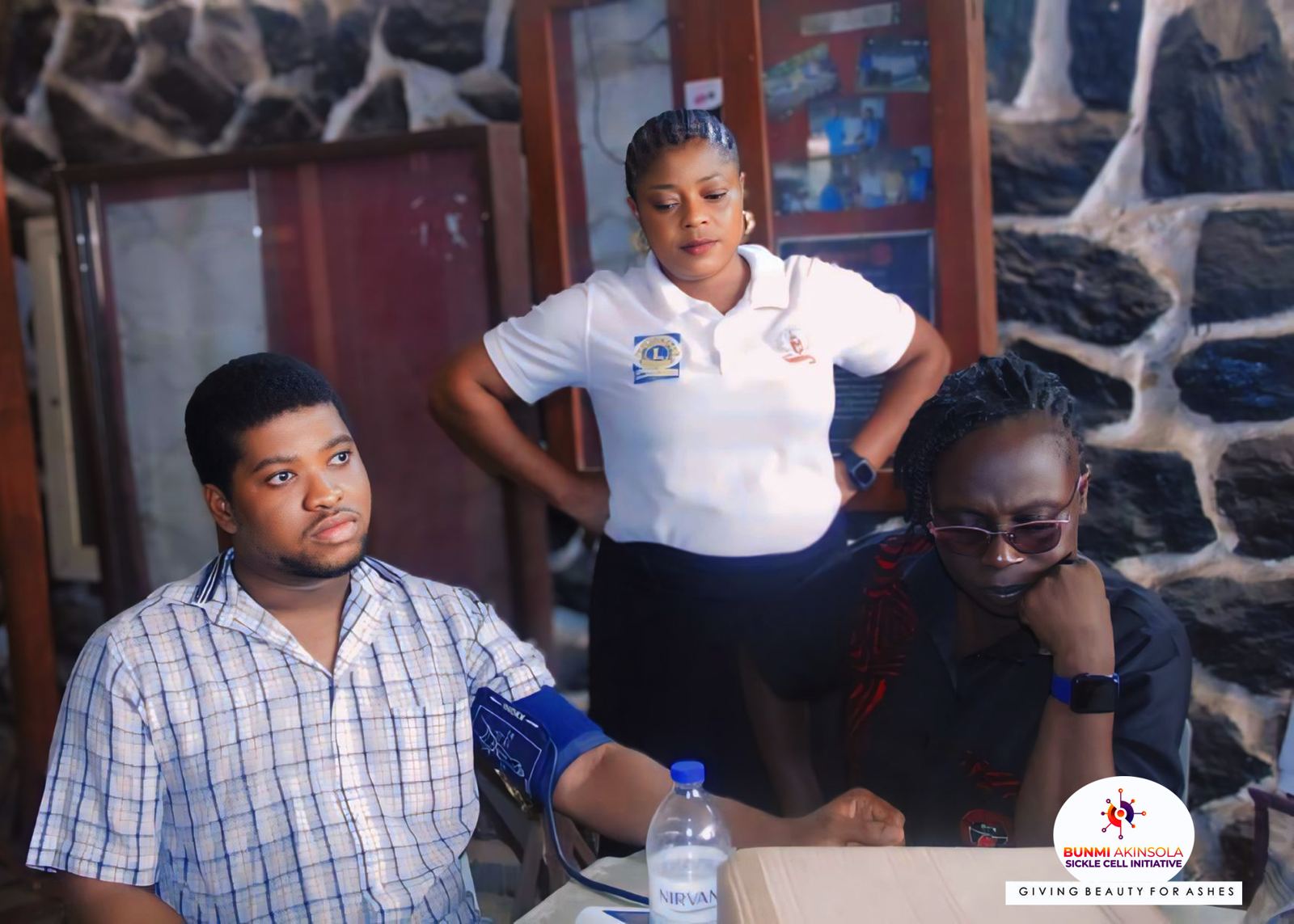
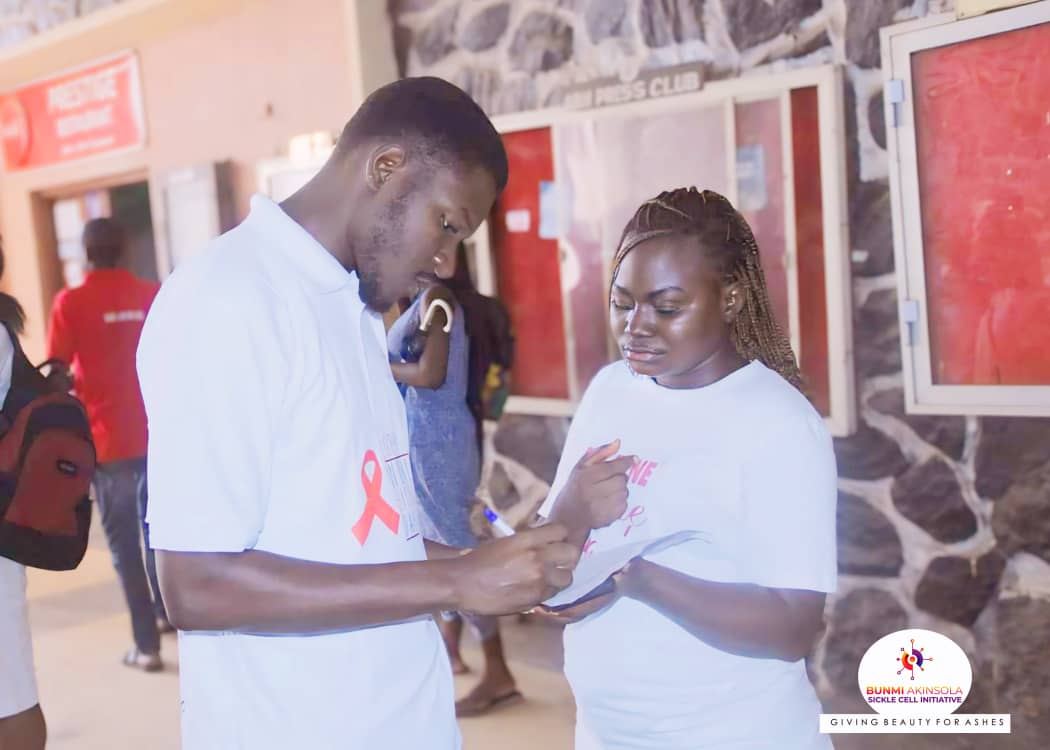
Research highlights the impact of even slight improvements in hemoglobin levels on SCD outcomes. A hemoglobin increase of just 1 g/dL is associated with a 64{cd874613a064af501573428e2a9ee678c12931935bb8d153d8e6f77db9a64f3c} reduction in mortality risk for SCD patients, emphasizing the critical importance of addressing anemia to improve survival rates. In recognition of this, the Bunmi Akinsola Sickle Cell Initiative partnered with the National Blood Service Commission’s Southwest Zonal Office, the University College Students Association, and the Nigerian Red Cross UCH detachment to organize a blood donation drive on June 22, 2024, at Alexander Brown Hall, University College Hospital, Ibadan, as part of the 2024 World Sickle Cell Day commemoration.
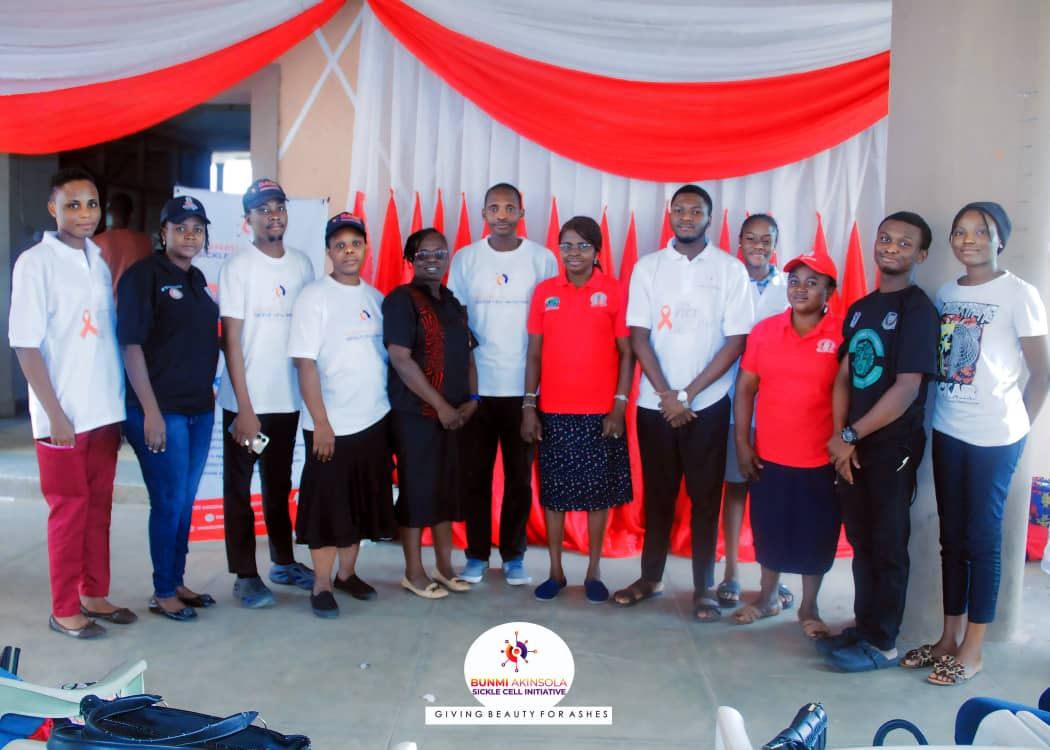
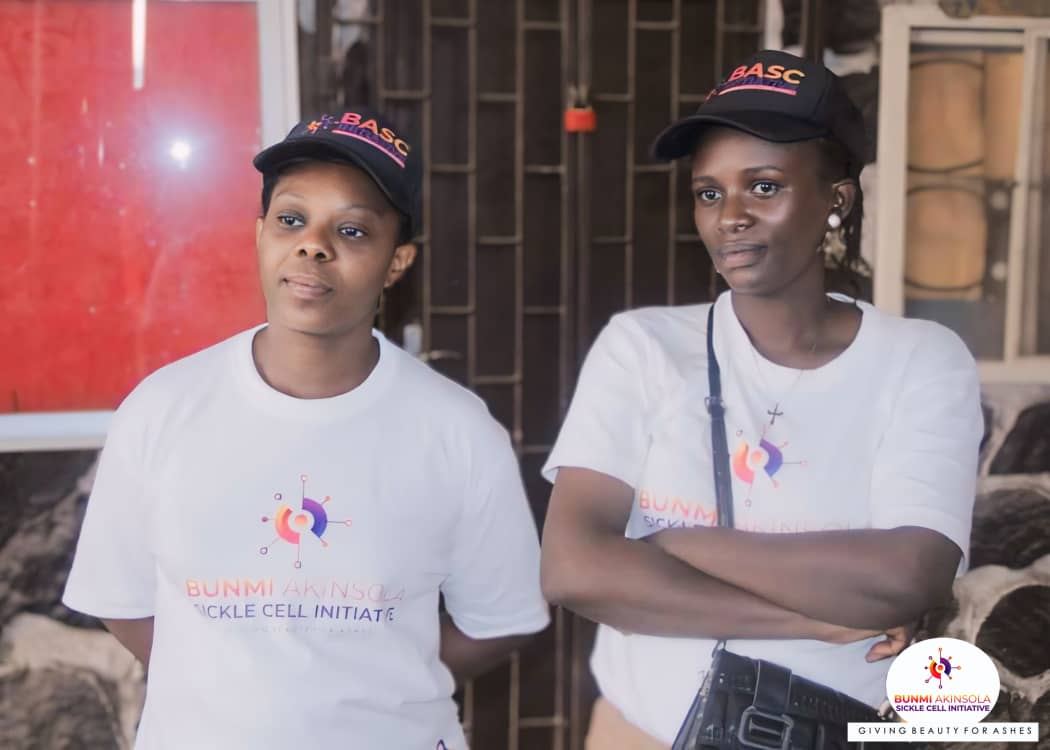
The blood donation drive saw enthusiastic participation, with 39 volunteers stepping forward to donate blood. After thorough screening, 25 volunteers were deemed eligible to donate. These contributions are invaluable for addressing the blood needs of SCD patients, who often require transfusions to manage anemia and prevent life-threatening complications. The event was a collaborative effort led by key figures, including Dr. Temitope Ogunjimi, Medical Director of the Bunmi Akinsola Sickle Cell Initiative, Dr. Tomisin (Media Director), and Dr. Aremo Adenike-Adeniyi (Research Director), along with dedicated medical professionals and volunteers from each collaborating organization.
Significant support for the event was also provided by Alexander Brown Hall executives, the University College Students Association, and representatives from the National Blood Service Commission. Special guests, such as Mrs. Stella from Chrisbol Champions Club, further underscored the strong community backing for this critical health initiative. This collective support reflects growing awareness of SCD’s impact and the need for communal efforts to address its challenges.
As a token of appreciation, all volunteers received custom notebooks and pens, while the first ten donors and key event organizers were gifted customized T-shirts to recognize their dedication. Such gestures reinforce the importance of volunteer involvement and highlight the compassion that drives these life-saving campaigns. Through initiatives like this, the Bunmi Akinsola Sickle Cell Initiative seeks to foster a culture of awareness and proactive support for SCD patients within the community.
After collection, the 25 pints of blood were screened by the National Blood Service Commission and confirmed to be free of transfusion-transmissible infections (TTIs). These pints now contribute to a critical blood reserve, ensuring a safe supply for SCD patients in need. Blood shortages can be devastating for SCD patients, especially during acute crises, making this resource indispensable for timely interventions.
This blood reserve is now available to SCD patients, particularly beneficiaries of the Bunmi Akinsola Sickle Cell Initiative and warriors from other SCD support organizations. The blood can be accessed at a subsidized screening fee, ensuring affordability and accessibility. Patients only need to present their blood group to the National Blood Service Commission to utilize the service. This resource will undoubtedly save lives by supporting those with low hemoglobin who might otherwise face fatal complications.
Through initiatives like this blood donation drive, the Bunmi Akinsola Sickle Cell Initiative not only provides practical support to SCD patients but also raises awareness about the disease and the importance of regular blood donation. The event’s success highlights the collective power of community and collaboration in tackling health challenges and reaffirms the commitment to improving the quality of life for SCD patients.
Photos