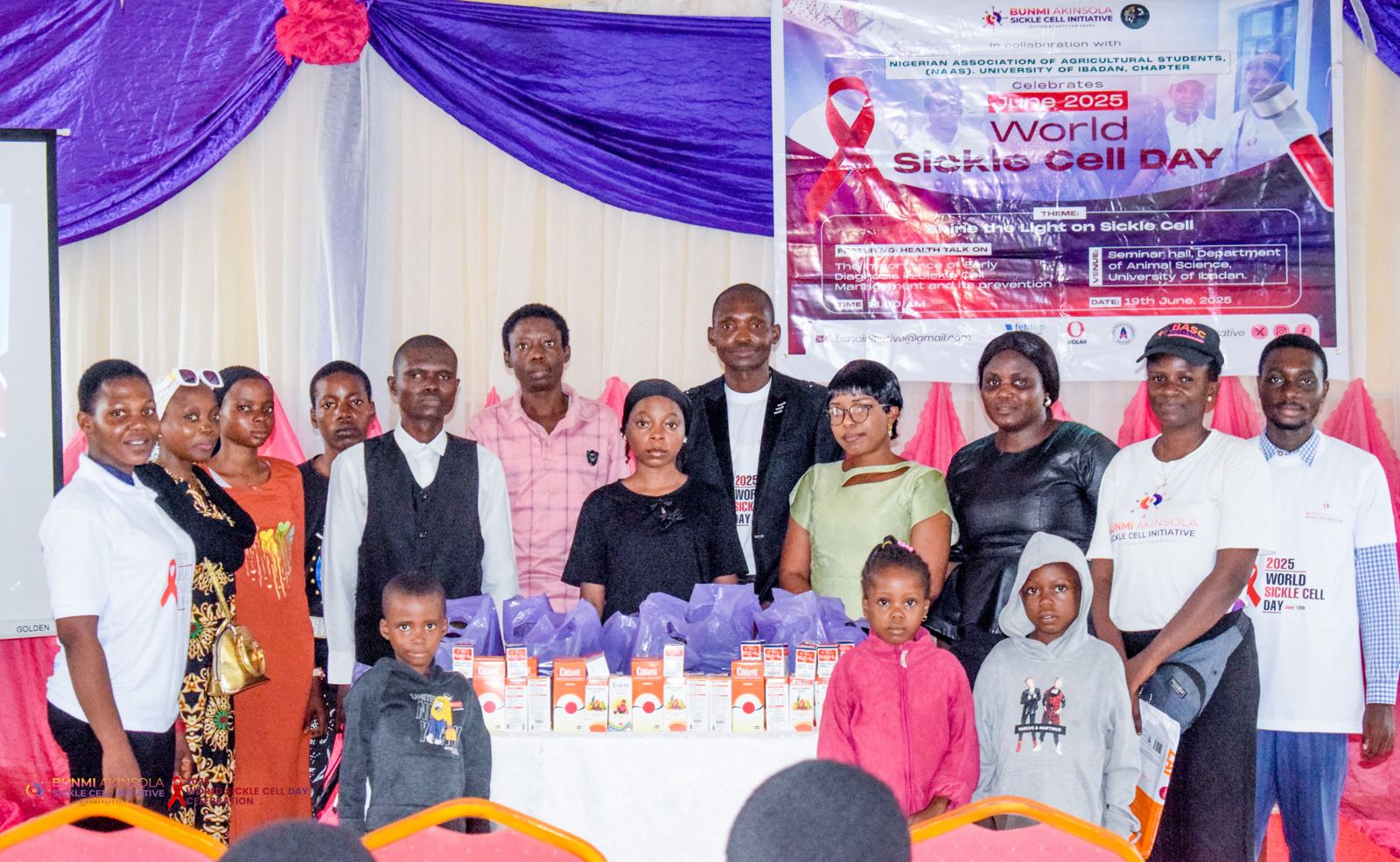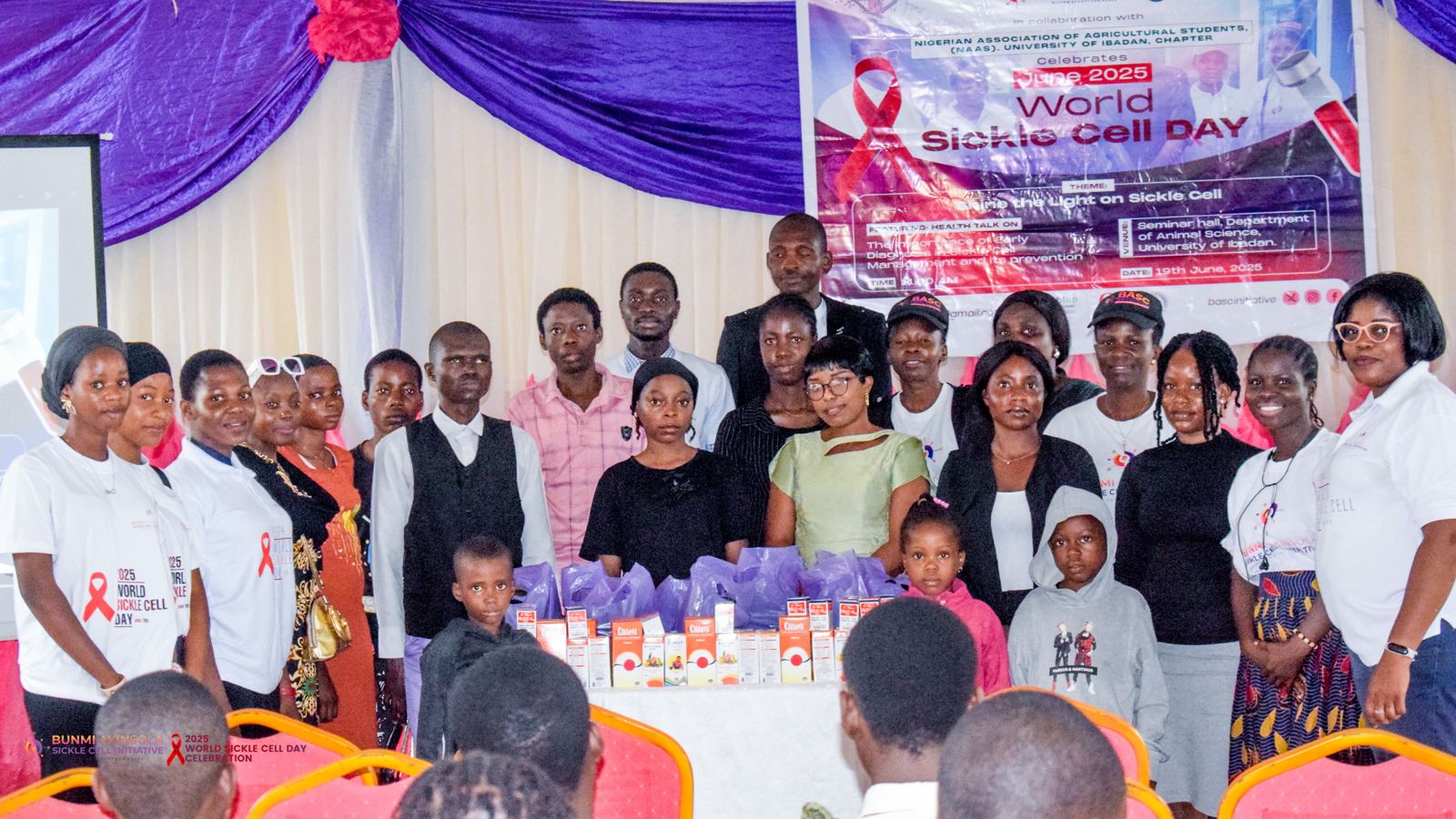
In the quest to reduce the occurrence of sickle cell births and ultimately achieve zero sickle cell births, the Bunmi Akinsola Sickle Cell Initiative (BASC Initiative) embarked on a community awareness campaign at one of the busiest and most strategic locations in Ibadan, the capital city of Oyo State—Ojoo Bus Terminal. This landmark event took place on the 7th of September, 2023, from 11:00 AM to 1:00 PM, with the terminal serving as the perfect platform to educate a diverse range of people about the importance of knowing one’s genotype.
Ojoo Bus Terminal, one of the busiest transportation hubs in Ibadan, stands as an ideal location for this type of awareness campaign. The terminal connects Ibadan to major cities within Oyo State and beyond, including other states in Nigeria such as Kano, Kaduna, Sokoto, Niger, and Zamfara. The strategic positioning of this terminal ensures that it caters to thousands of passengers daily, offering a unique opportunity to reach a large and diverse audience. This is particularly significant for spreading awareness about sickle cell and genotype testing, especially to travelers who may not be aware of their genotype status.
Upon arrival, Mr. Gbade, the Ojoo Bus Terminal manager, warmly welcomed the BASC Initiative team. His prompt response to the initiative’s request, having received the letter of interest beforehand, demonstrated the terminal’s commitment to supporting community outreach programs. He facilitated the event by assigning a security guard for assistance and designating a serene spot for the team to set up their canopy, ensuring that the event ran smoothly.
The volunteers from BASC Initiative, including Dr. Mrs. Aremo Adenike-Adeniyi, Mrs. Adegbite Pelumi, and others, divided into teams of three, each responsible for engaging different groups of people within the terminal. They used a Bluetooth speaker to play pre-recorded jingles in Yoruba, educating passengers about the importance of genotype testing and sickle cell awareness. The message was also disseminated through flyers that highlighted both myths and facts about sickle cell disease, written in English, Yoruba, and Hausa languages to reach a wider audience.
The team made sure to visit every corner of the terminal, engaging passengers sitting inside the terminal hall and awaiting boarding to various destinations, including both local and inter-state travelers. The passengers traveling to northern states such as Kano, Kaduna, Sokoto, Niger, and Zamfara were specifically targeted, as they represented diverse regions and cultures. This allowed the team to spread awareness to individuals who may not have been familiar with the importance of knowing their genotype.
Additionally, the volunteers reached out to passengers sitting in buses outside the terminal, awaiting their departure. They also visited the arrivals terminus to engage passengers coming down from vehicles traveling from other towns such as Ogbomoso, Oyo Town, Iseyin, Ilorin, Offa, Shaki, Eruwa, and many more. The aim was to ensure that the awareness campaign reached as many people as possible, regardless of their point of entry or departure.
The volunteers were energetic and undeterred by the rain showers that poured throughout the day. Despite the adverse weather conditions, they continued to distribute flyers and deliver their message in batches, ensuring that everyone in the Ojoo Bus Terminal had the opportunity to learn about the signs and symptoms of sickle cell disease, as well as the importance of genotype testing for early detection and prevention. The volunteers’ enthusiasm and commitment were contagious, and the passengers received the message with great interest.
The campaign also provided an opportunity for the volunteers to educate passengers about the proper care and treatment for individuals living with sickle cell disease. Many passengers were unaware of their genotype status, and the campaign helped them understand how to prevent passing on the sickle cell gene to future generations. The outreach was not only informative but also an opportunity for the community to bond over a shared goal of reducing sickle cell births.
The success of the event was a testament to the effectiveness of the team’s efforts. Hundreds of people were educated on the importance of knowing their genotype, and many expressed gratitude for the opportunity to learn more about sickle cell disease. The campaign not only raised awareness about the disease but also encouraged individuals to take proactive steps toward preventing sickle cell births.
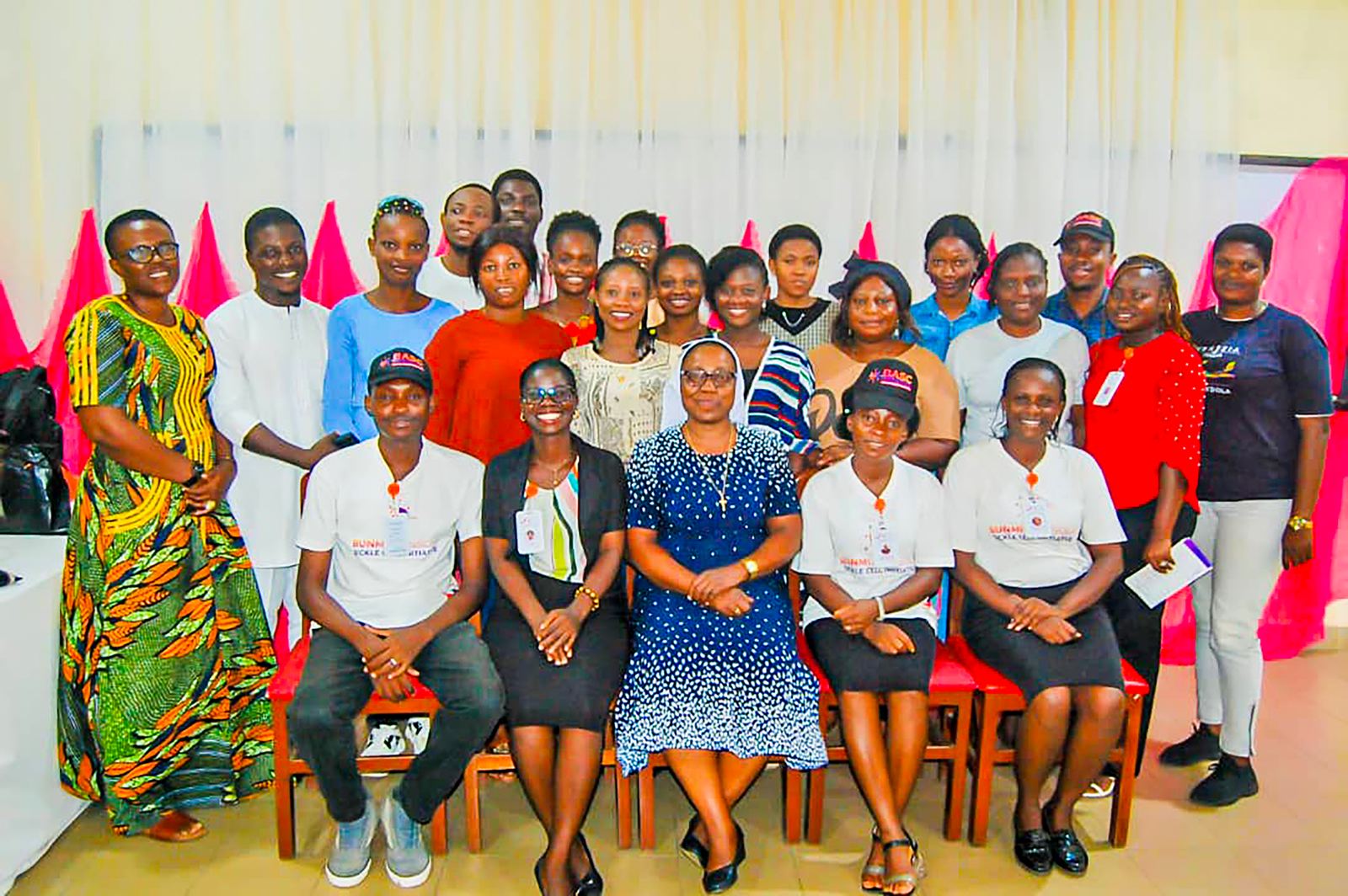
A special thank you is extended to all the volunteers who dedicated their time and effort to make the event a success. Their involvement and hard work made the awareness campaign at Ojoo Bus Terminal possible. Volunteers such as Dr. Mrs. Aremo Adenike-Adeniyi, Mrs. Adegbite Pelumi, Miss Ayanfe Ayanwusi, Miss Blessing Makinde, Miss Olubolade Opemipo, Miss Sogbesan Moyosore, and Mr. Adeniyi Adesola from The Genowise Project played an integral role in reaching out to passengers and spreading the critical message.
The campaign at Ojoo Bus Terminal was more than just an educational event; it was a call to action for the community. By educating people about sickle cell and the importance of knowing their genotype, the initiative empowered individuals to make informed decisions about their health. The success of the event demonstrated that awareness campaigns, especially in strategic locations such as bus terminals, have the potential to reach and educate thousands of people from different walks of life.
Through such outreach programs, the Bunmi Akinsola Sickle Cell Initiative aims to achieve its long-term goal of reducing sickle cell births to zero. The awareness campaign at Ojoo Bus Terminal is just one step in a larger, ongoing effort to educate the public and encourage people to take charge of their health by knowing their genotype.
The impact of this event cannot be overstated. It reached hundreds of people who may not have otherwise had access to such important information about sickle cell disease. The campaign fostered a sense of responsibility within the community, encouraging individuals to prioritize their health and make informed choices for themselves and their future families.
With the continued support of the public and dedicated volunteers, initiatives like the one at Ojoo Bus Terminal can help create a brighter, healthier future for generations to come. By spreading knowledge about sickle cell disease and genotype testing, BASC Initiative is contributing to a significant cause that has the potential to save countless lives and reduce the burden of sickle cell disease in Nigeria and beyond. Together, we can achieve a zero sickle cell birth rate and create a healthier, more informed society.
Photos