
THEME: Empowering Volunteers: Commitment, Rewards, and Public Speaking Skills for Impactful Service.
With the goal of achieving zero sickle cell births within the next two decades, the Bunmi Akinsola Sickle Cell Initiative (BASC Initiative) is focused on educating communities and providing comprehensive support to people living with sickle cell disease. Recognizing that achieving this ambitious target requires collective effort, BASC Initiative has expanded its volunteer base, training new recruits in medical, psychological, and public outreach support. This expansion aligns with BASC Initiative’s ongoing campaign, the “Know Our Genotype Campaign,” designed to raise awareness on the importance of genotype compatibility in preventing sickle cell births.
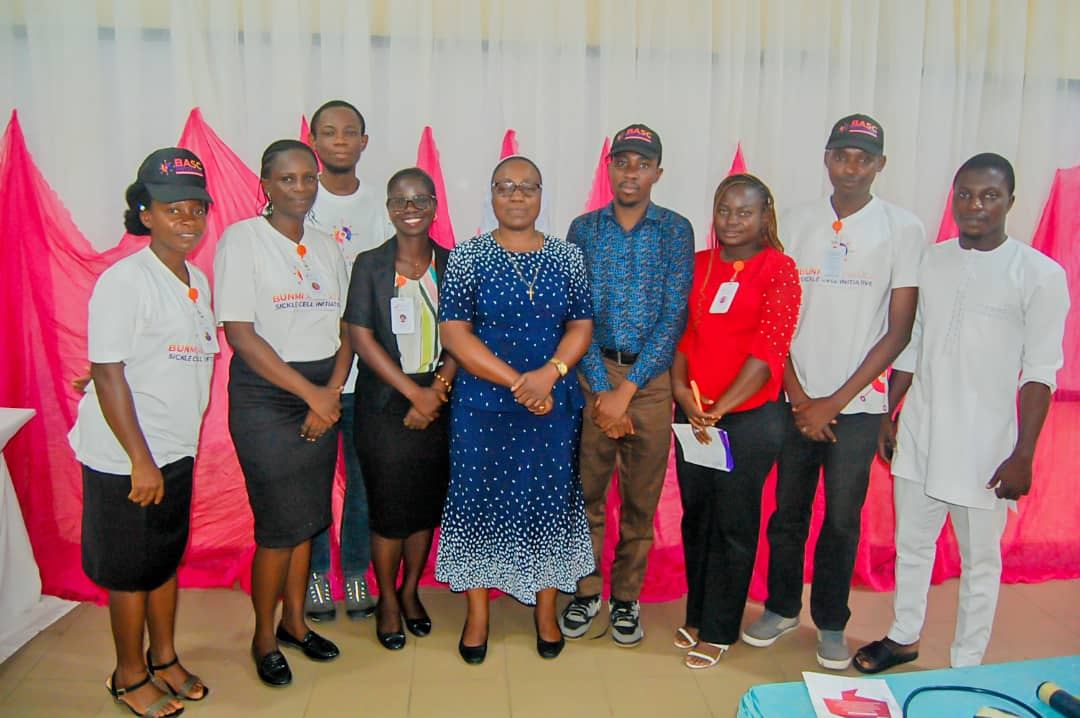
As part of this campaign, BASC Initiative organized a symposium on June 8, 2024, at UI Hotels, Ibadan, with the theme, “Empowering Volunteers: Commitment, Rewards, and Public Speaking Skills for Impactful Service.”The event brought together volunteers, medical professionals, and community leaders to explore the values and skills necessary for impactful volunteer service. Through a series of presentations and interactive sessions, the symposium equipped participants with essential knowledge for contributing to BASC Initiative’s mission.
Opening Session
The symposium commenced at 11:00 AM, moderated by Dr. Tomi Tosin-Owojuyigbe, a dedicated volunteer with BASC Initiative. Dr. Mrs. Adenike-Adeniyi Aremo, the Research Director for BASC Initiative, led the opening prayer, setting a reflective tone for the day’s proceedings. Following this, Mr. John Aremo, BASC Initiative’s Administrative Head, delivered the welcome address. His message underscored the critical role volunteers play in achieving BASC Initiative’s mission, emphasizing that their efforts are fundamental to transforming lives and communities affected by sickle cell disease.
Presentations and Interactive Sessions
1. Vision of BASC Initiative
The Medical Director of BASC Initiative, Dr. Ogunjimi Temitope, elaborated on BASC Initiative’s mission, programs, and ongoing initiatives to combat sickle cell disease. Dr. Temitope emphasized BASC Initiative’s vision to reduce the prevalence of sickle cell births through awareness and community outreach, highlighting the importance of genotype testing in making informed reproductive decisions. By illustrating the real-life impact of BASC Initiative’s programs, she inspired volunteers to view their roles as vital to the organization’s success.
2. Volunteering: Challenges, Rewards, and Managing Expectations
The first guest speaker, Sr. Augustina Offor, Head of Program for Caritas/Women and Child Rights Department, presented a session on the fundamentals of volunteering. Using a PowerPoint presentation, she delved into the history, significance, and forms of volunteer work, emphasizing the meaningful connections that can be formed through service. Sr. Offor also addressed common challenges faced by volunteers, such as balancing personal commitments and managing emotional strain. She provided practical strategies for overcoming these obstacles, stressing that resilience and adaptability are key qualities in successful volunteers. Her comprehensive approach equipped attendees with the mindset necessary to navigate the complexities of volunteer work, making the experience more fulfilling and impactful. A digital copy of her presentation was shared with participants for reference.
3. Mastering Public Speaking for Outreach
Public speaking skills are crucial for BASC Initiative volunteers, who frequently interact with communities to spread awareness. Miss Ayanwusi from the University of Ibadan’s Social Works Department conducted an interactive session on public speaking essentials. She provided a structured guide on overcoming the fear of speaking, organizing content effectively, and engaging audiences through storytelling and body language. Her encouraging teaching style helped attendees feel comfortable, fostering a supportive environment for questions and discussions.
Miss Ayanwusi’s emphasis on practical, actionable techniques resonated deeply with the audience. She highlighted the importance of clear communication in spreading BASC Initiative’s message, outlining strategies that volunteers could use to articulate their points confidently. By the end of her session, volunteers felt more prepared to serve as BASC Initiative’s advocates, helping to amplify the organization’s message and educate the public on genotype awareness.
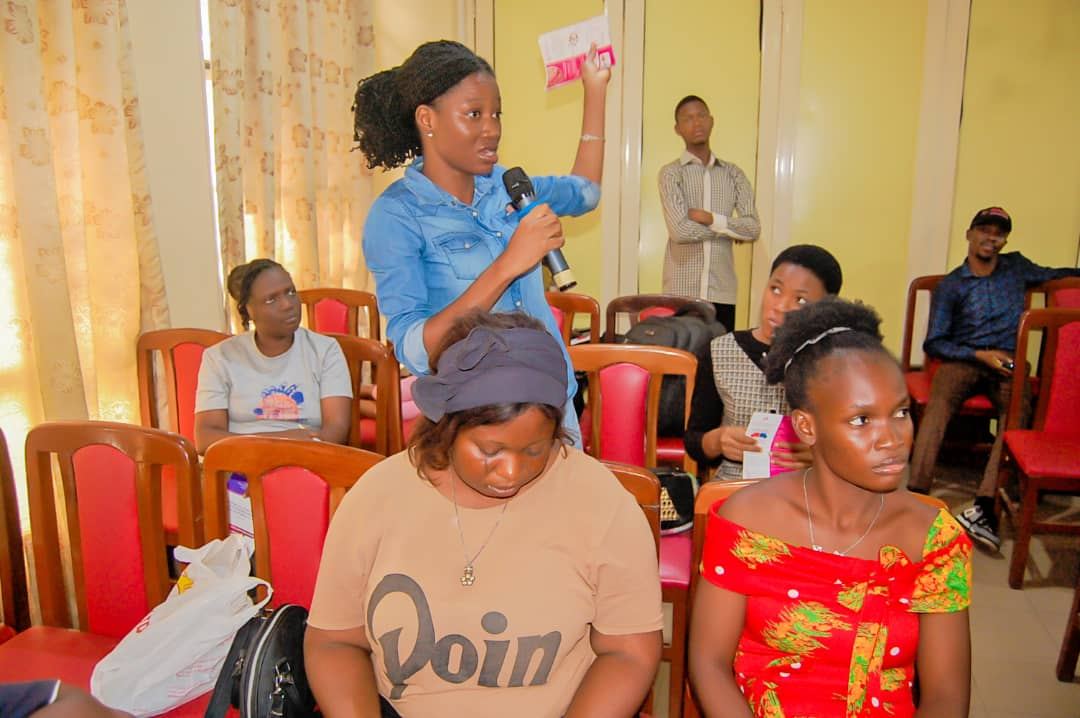
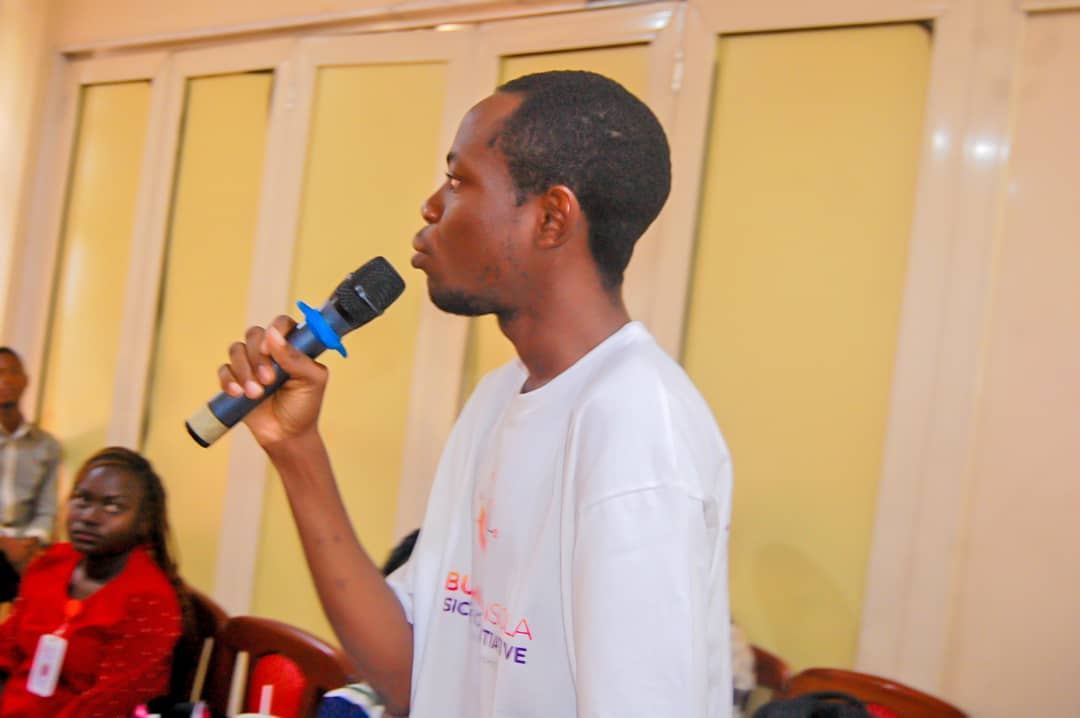
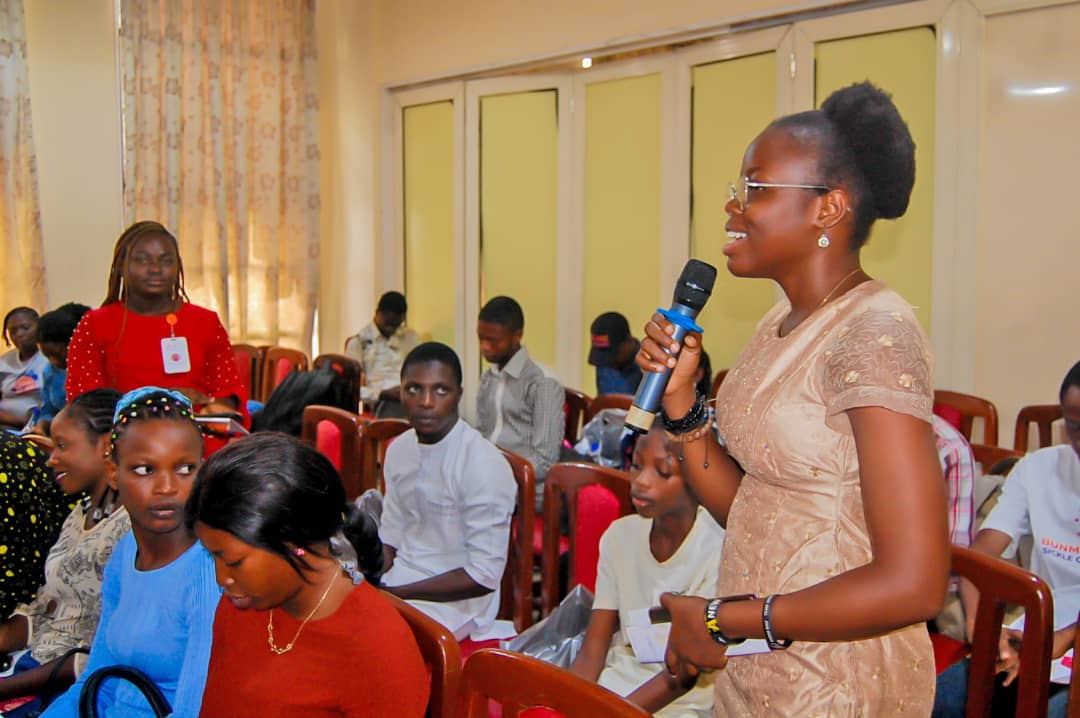
The presentations concluded with a lively Q&A session, moderated by Dr. Tomi Tosin-Owojuyigbe, where participants discussed specific challenges and received guidance from the speakers. This segment encouraged peer-to-peer learning and strengthened the sense of community among volunteers.
Closing Session
In her closing remarks, Dr. Tomi Tosin-Owojuyigbeextended gratitude to all participants and speakers, acknowledging their contributions to the success of the symposium. Mr. John Aremo then delivered a vote of thanks, highlighting the collective effort required to combat sickle cell disease and expressing appreciation for the dedication of BASC Initiative’s volunteers.
The final part of the program introduced new volunteers to BASC Initiative’s mission and vision, while the Administrative Head provided an overview of the organization’s current initiatives. This introductory segment served as an orientation, enabling new members to understand their roles and the broader impact of their involvement with BASC Initiative.
One of the key highlights of the symposium was the team formation exercise, which allowed both new and experienced volunteers to identify their areas of contribution. The volunteers were divided into four teams, each with specific responsibilities aligned with BASC Initiative’s goals:
1. Outreach Team: This team is tasked with planning and executing BASC Initiative’s community events, as well as implementing the “Know Our Genotype” campaign in various communities. Members include Tolu Oyewole, Makinde Ibukun, and Oyesiku Titilade.
2. Media Team: Responsible for managing BASC Initiative’s online presence, this team handles content creation, event documentation, and media outreach. Members include Oyinloye Abisola, Babalola Anuoluwa, and Yusuf Funmi.
3. Research Team: This team supports BASC Initiative’s research initiatives, conducting data analysis and contributing to ongoing studies on sickle cell disease. Key members are Aremo Adenike-Adeniyi, Adesokan Nathaniel, and Omolola Ayanwusi.
4. Health Professionals Team: This group of critical medical and psychological support to individuals with sickle cell disease. Members include Dr. Ogunjimi Temitope, Omolola Ayanwusi, and Oyinloye Abisola.
The team formation exercise fostered collaboration, encouraging volunteers to leverage their unique strengths to make a meaningful impact. This structure also allows BASC Initiative to deploy resources more efficiently, ensuring that each team has clear objectives and can operate cohesively.
Special Highlights and Reflection
One of the most memorable moments of the symposium was the commitment shown by volunteers who traveled from distant locations, such as Miss Oyinloye Abisola from Osogbo and Mrs. Ogunleye Bolanle from Iwo both from Osun State.
Their dedication exemplified the spirit of BASC Initiative and reinforced the importance of unity in pursuing the organization’s mission.
The symposium concluded with a renewed sense of purpose among attendees. The knowledge gained through the presentations, coupled with the connections formed during the event, laid a strong foundation for future volunteer activities. Equipped with essential skills and a shared vision, BASC Initiative’s volunteers are now better prepared to advocate for sickle cell awareness and offer meaningful support to individuals and families affected by the disease.
Conclusion
The BASC Initiative symposium was a resounding success, offering valuable insights into the principles of volunteering, the impact of public engagement, and the personal rewards of service. The event underscored BASC Initiative’s commitment to eradicating sickle cell disease through sustained efforts in community education, advocacy, and support for affected individuals.
By empowering volunteers with the skills and knowledge required for effective service, BASC Initiative is building a network of compassionate and capable individuals who are dedicated to making a difference. Through initiatives like this symposium, BASC Initiative is not only expanding its outreach capacity but also creating a lasting legacy of hope and resilience in the fight against sickle cell disease.
With a clear vision and a motivated team, BASC Initiative is poised to continue making strides toward a future where sickle cell disease no longer threatens the lives and dreams of individuals across Nigeria and Africa.
By AREMO JOHN OLUWOLE
Administrative Head
Photos